
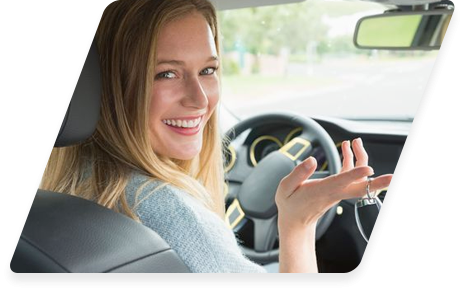
Safe observation is not a single glance. It is a short sequence that helps you understand what is ahead, beside and behind your vehicle before you change position.
A practical sequence
- Look well ahead: identify traffic lights, intersections, pedestrians, cyclists and developing hazards.
- Check the appropriate mirrors: use the rear-view and side mirror that relates to the movement you are planning.
- Signal early: communicate before changing speed or direction.
- Check the blind spot: turn your head briefly and look over the shoulder in the direction you intend to move.
- Move only when the space remains safe: keep checking as you complete the manoeuvre.
When shoulder checks matter
Use them before lane changes, pulling away from the curb, moving toward or away from the roadside, merging and other lateral movements. Mirrors do not show every area around the vehicle.
How to practise
Say the sequence quietly during practice: “mirror, signal, blind spot, move.” Keep your hands steady and make the shoulder check brief enough that you do not lose awareness of the road ahead.
Review changing positions in the Official MTO Driver’s Handbook.